
Case Study: Scaling Traffic for a Hypnotherapy Practice in Kiel
Healthcare and wellness advertisers face a unique paradox: the people who need their services most are searching online, yet the advertising platforms impose some of the strictest industry regulations. Discover how a targeted Google Ads strategy helped a practice in northern Germany overcome this paradox.
📈 We walk through the background, regulatory restrictions, custom campaign structure, and results—delivering practical takeaways for regulated and sensitive industries. 🚀✨
Background: Hypnose Kiel & The Wellness Paradox
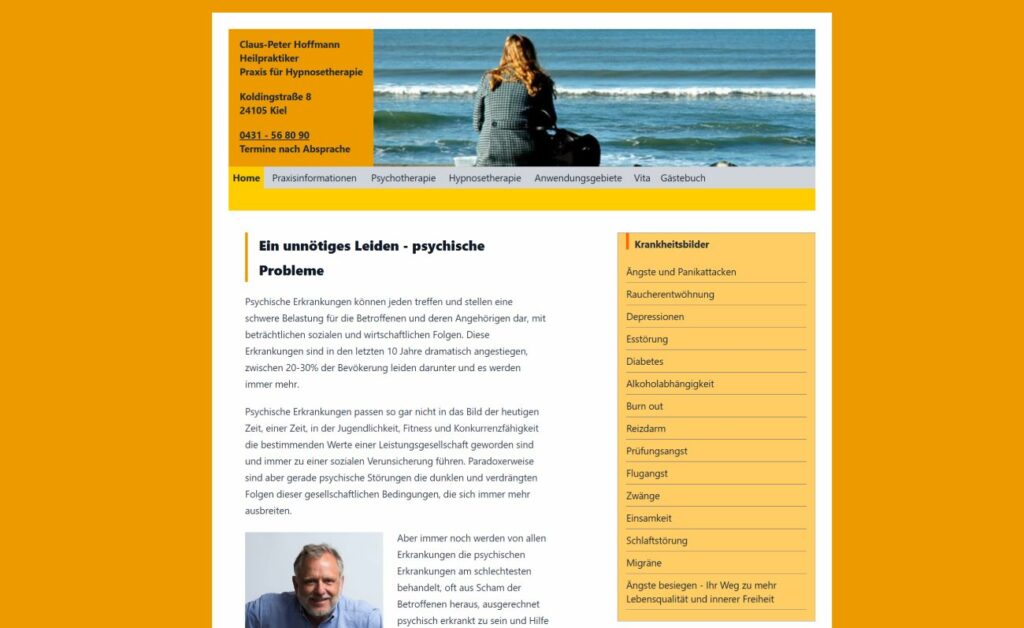
The client, Hypnose Kiel, is a practice for hypnotherapy and psychotherapy run by Claus-Peter Hoffmann, a certified Heilpraktiker based in Kiel, a mid-sized city on Germany’s Baltic coast.
Clinical Expertise
The practice treats a wide range of conditions—anxiety and panic attacks, smoking cessation, depression, eating disorders, burnout, and more—using hypnosis and behavioral therapy methods rooted in the work of Milton Erickson.
The Core Problem
Before our collaboration, the practice relied almost entirely on reputation and word of mouth. Despite years of genuinely useful content, not enough people looking for hypnotherapy in the Kiel area were finding the practice online.
Regulatory Constraints
Health and wellness services sit in one of Google’s heavily restricted categories. Ad copy, targeting, and website content face strict reviews, requiring guardrails built from day one.
Goals: Efficiency & Relevance Over Maximum Volume
Working with the practice, we agreed on a small number of clear, results-oriented objectives to ensure sustainable and compliant growth.
Qualified Regional Visitors
Drive a consistent, growing stream of qualified visitors specifically from the Kiel region and surrounding areas.
Cost-Effective Clicks
Keep the cost of acquiring each click as low as possible, since therapy sessions are a considered, relationship-driven purchase rather than an impulse buy.
Strict Policy Compliance
Stay fully compliant with Google’s healthcare advertising policies throughout the entire campaign lifecycle.
Transparent Reporting
Give the client a simple way to see what was working, without needing to log into Google Ads himself.
Working Within Medical Advertising Restrictions
Before any campaign could go live, we had to navigate the restrictions that come with advertising in the medical and mental health space. Google applies extra scrutiny to ads related to healthcare, and topics like anxiety, depression, and addiction sit squarely inside that scrutiny.
Careful Ad Copy Review
Claims had to be framed responsibly, avoiding language that could be read as a guaranteed medical outcome — a common reason healthcare ads get disapproved.
Landing Page Alignment
Every ad had to point to a page whose content matched the ad’s promise closely, since mismatched landing pages are a frequent trigger for policy flags in this category.
Slower Rollout
Rather than launching every campaign type at once, we introduced them in stages, monitoring policy status closely after each addition so that one disapproval didn’t put the whole account at risk.
Ongoing Monitoring
Healthcare policies are reviewed and enforced more aggressively than in most other verticals, so campaigns needed regular checks rather than a “set and forget” approach.
Campaign Structure: Search, Display & Extensions
With the compliance groundwork in place, we built the account around two complementary campaign types: a Search campaign to capture people actively looking for help, and a Display campaign to build low-cost visibility and bring past visitors back.
Search Campaign with a Strict Bid Cap
The Search campaign targeted core service areas in and around Kiel (anxiety, panic attacks, smoking cessation, depression, and general hypnotherapy) for people actively searching for help.
Maximum Bid Cap of €0.30
Because therapy services don’t need to compete on volume, the priority was cost discipline. We set a maximum keyword bid cap of €0.30, well below typical industry standards.
Relevance & Quality Score
Every keyword group was strictly reviewed for high intent. Broad terms were excluded early, letting Ad Relevance and Quality Score win auctions against larger competitors.
Display and Remarketing Campaigns
Alongside Search, a Display campaign was split into a prospecting component for new audiences at low cost, and a remarketing component to re-engage previous site visitors.
Low-Cost Prospecting
Prospecting ads ran across relevant placements to raise visibility among regional users who fit a health- and wellness-oriented audience profile, at a fraction of search click costs.
Sustained Remarketing
Remarketing targeted previous visitors, keeping the practice visible while they considered their decision—crucial for therapy, where people often research for weeks before reaching out.
Why Paid Search First
For a local practice with an already content-rich website, it might seem like search engine optimization would have been the obvious first move. We considered that, but ultimately prioritized paid Search for one simple reason: speed of feedback.
Rapid Data vs. Algorithm Waiting
SEO for competitive mental-health terms in a mid-sized German city can take many months to show movement, and rankings don’t tell you if traffic converts. Paid Search gave us data within days—showing genuine interest, ad copy resonance, and landing page engagement.
Parallel SEO Synergy
This isn’t a case against SEO—existing content remains a long-term asset, and optimized sites make paid campaigns cheaper over time through better Quality Scores. But for rapid results, Search and Display took priority while organic growth ran in parallel.
Working Within an Unoptimized Landing Page
One additional constraint shaped this project from the start: the client’s landing pages were not conversion-optimized, and landing page optimization was a service he explicitly did not want to pursue at the time.
As-Is Site Execution
The campaign had to succeed working with the existing site as-is, rather than with a purpose-built page designed to maximize form fills or calls.
Absolute Keyword & Bid Discipline
Without landing page optimization as a lever, the burden fell entirely on campaign structure, keyword precision, and bid discipline — every euro of budget had to be spent on the most relevant possible traffic.
Reporting System
One recurring frustration for small business owners running paid ads is not knowing what’s actually happening in their account. Rather than expecting the client to interpret raw Google Ads data, we built a straightforward reporting system that summarized the metrics that actually mattered to him.
Campaign Clicks
Tracked exactly how many clicks the campaigns received in total across targeted regional search terms and audiences.
Click Costs
Monitored what those clicks cost under strict bid discipline to ensure absolute budget efficiency.
Traffic Trends Over Time
Evaluated how regional web traffic trended over time to measure consistent engagement growth.
Results
Within a healthcare vertical that limits both targeting options and messaging, the campaign delivered measurable, low-cost traffic growth.
Low Search CPC
Search cost per click held at or below the €0.30 cap, keeping acquisition costs low in a category where competitors often pay significantly more per click.
Extended Display Reach
Display and remarketing clicks came in at a very low cost, extending the practice’s reach far beyond what the Search budget alone could achieve.
Full Policy Compliance
Full policy compliance was maintained throughout, with no account-level suspensions despite operating in one of Google’s most tightly regulated verticals.
Recurring Reporting
A simple, recurring reporting process gave the client visibility into performance without requiring him to learn a new platform.
Conclusion: Compliance Meets Long-Term Growth
Advertising for a healthcare or wellness business means playing by a different, stricter set of rules than most other industries — but it doesn’t mean sacrificing efficiency.
The Hypnose Kiel Takeaway
By combining a disciplined €0.30 Search bid cap, a low-cost Display and remarketing layer, careful navigation of medical advertising policies, and a tailored reporting system, Hypnose Kiel gained a steady, affordable stream of qualified visitors without risking account standing.
Explore More Case Studies
Discover how custom PPC and SEO strategies drive success across diverse international markets and industries:
Let’s Scale Your Growth
Ready to dominate search results and maximize your return on ad spend? Drop us a message and our team will get back to you shortly.

Send Us a Message
Fill out the form below and we’ll schedule a discovery call.
Frequently Asked Questions: Hypnose Kiel Google Ads Campaign
Get clear insights into the strategy, compliance, bidding discipline, and results behind scaling a regulated healthcare practice in Northern Germany.
1. Who is the client behind the Hypnose Kiel case study?
The client is Hypnose Kiel, a practice for hypnotherapy and psychotherapy run by Claus-Peter Hoffmann, a certified Heilpraktiker based in Kiel, Germany.
2. What conditions does the practice treat?
The practice treats anxiety and panic attacks, smoking cessation, depression, eating disorders, and burnout using hypnosis and behavioral therapy rooted in Milton Erickson’s work.
3. What was the core problem before starting the campaign?
Despite years of useful content, the practice relied almost entirely on word of mouth, and not enough people looking for hypnotherapy in the Kiel area were finding them online.
4. What were the primary objectives agreed upon for the project?
Objectives included driving regional visitors, keeping acquisition costs low for a considered therapy purchase, maintaining healthcare compliance, and providing simple performance reporting.
5. Why was efficiency prioritized over maximum volume?
A hypnotherapy practice can only see a limited number of patients per week, making relevance and efficiency far more important than high-volume, untargeted clicks.
6. How did we work within Google’s medical advertising restrictions?
We conducted careful ad copy reviews to avoid guaranteed medical outcomes, aligned landing pages tightly with ads, used a staged rollout, and maintained ongoing compliance monitoring.
7. What campaign types made up the account structure?
The account combined a Search campaign targeting active inquiries with a Display campaign split into a low-cost prospecting component and a remarketing layer.
8. What was the search bid strategy used?
We enforced a strict maximum keyword bid cap of €0.30, relying on high keyword relevance and Quality Score to win auctions rather than out-bidding larger competitors.
9. Why was paid Search prioritized over SEO initially?
Paid Search provided speed of feedback within days—revealing which keywords converted and which ad copy resonated—while organic SEO ran as a slower-burning parallel strategy.
10. How did we handle unoptimized landing pages?
Since the client did not want landing page optimization, the performance burden fell entirely on keyword precision and bid discipline to ensure zero budget waste on irrelevant clicks.
11. What role did sitelink extensions play?
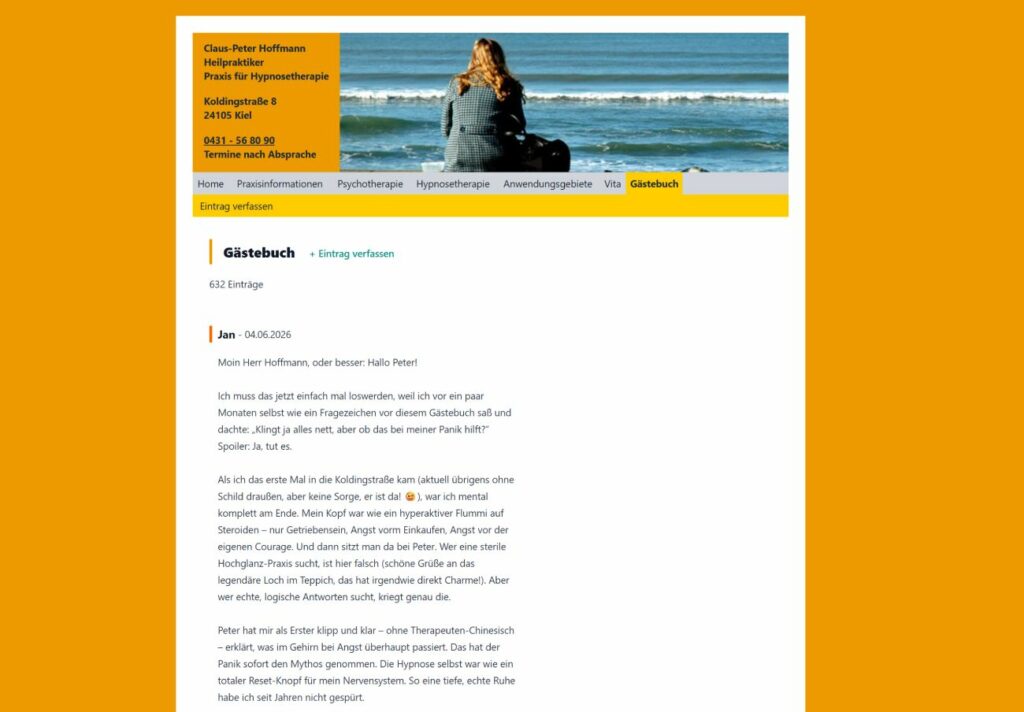
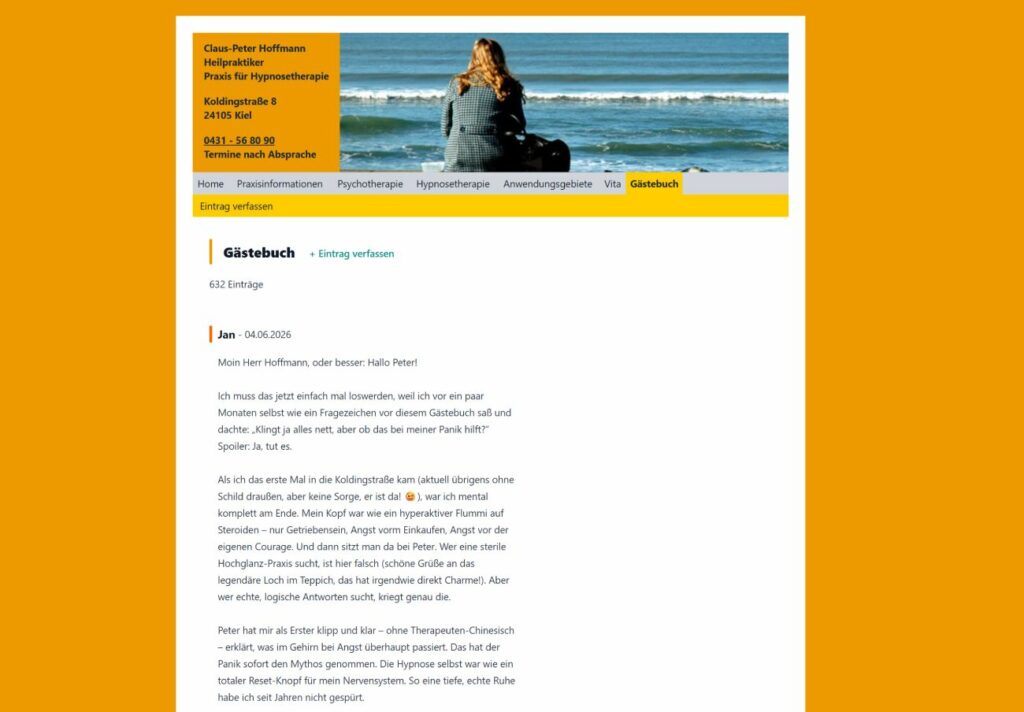
Sitelinks surfaced specific pages directly in the ad, including a link to the practice’s guestbook where prospective clients could read genuine unprompted patient feedback.
12. How was performance reported to the client?
We built a straightforward reporting system summarizing clicks, click costs, and traffic trends over time so the client could check performance at a glance without navigating raw data.
13. What final results did the campaign achieve?
Search CPC held at or below €0.30, low-cost display extended reach, full policy compliance was maintained with zero suspensions, and the practice gained affordable regional traffic.
14. What are the key takeaways from this case study?
Regulated industries reward patience over speed, hard bid caps enforce keyword discipline, display works for small businesses, and trust content belongs front and center.
15. Where can I read other case studies by Marc Kugge?
You can explore other digital growth and international market analyses across travel blogs, Learnlight, German casinos, the French market, and My Magic Story.