
Learnlight – Paid Media & SEO Engine (Fixed Their SQL Problem)
When Learnlight — a global leader in language training, intercultural skills, and communication coaching for enterprise teams — brought me in, the challenge was clear on paper: not enough Sales Qualified Leads (SQLs) were coming into HubSpot.
🎯 We rebuilt the entire acquisition ecosystem across Google, Microsoft, and LinkedIn, aligning Sales and Marketing around high-intent enterprise growth. 🚀✨
The Problem: A Broken Funnel, Not a Broken Channel
When I started digging into Learnlight’s marketing engine, the root cause wasn’t a single failing channel — it was a structural gap. The company hadn’t built out a real advertising ecosystem.
Fragmented Ecosystem
Google Ads, Meta Ads, and LinkedIn Ads existed in some form, but they weren’t working together, weren’t retargeting anyone, and weren’t supported by a conversion-ready website.
Generic Destination Pages
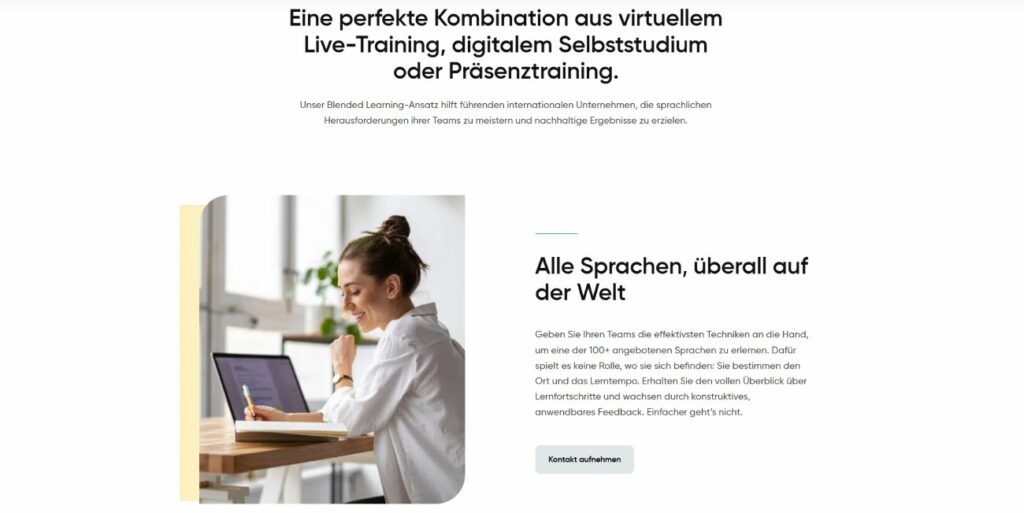
There was no infrastructure for dedicated landing pages per campaign or audience. Every ad pointed traffic at generic pages that weren’t designed to convert that specific visitor.
The Foundation First
You can’t scale paid media on a website that isn’t built to receive it. The first strategic move was restructuring the website itself to spin up purpose-built landing pages.
Building the Ads Ecosystem: Google, Bing, and the Retargeting Layer Nobody Had Touched
With the website foundation in place, the next step was building out a proper paid acquisition ecosystem — primarily through Google Ads, complemented by Microsoft (Bing) Ads.
The Overlooked Power of Bing
Bing is a channel many competitors overlook, especially in B2B. A meaningful share of enterprise decision-makers still use Bing on corporate machines where it’s the default. Adding Bing wasn’t about volume; it was about capturing high-intent searchers competitors left on the table.
Core Campaign Structure
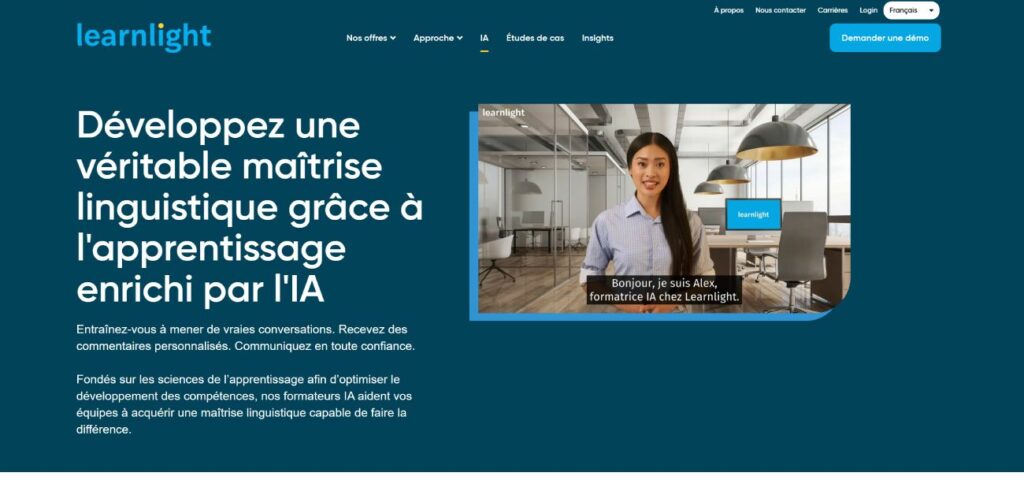
Across both platforms, I implemented keyword campaigns targeting high-intent terms tied to core offerings, performance campaigns to maximize reach across automated bidding, and systematic retargeting.
LinkedIn: A Different Beast, Built for a Different Buyer
Google and Bing capture demand. LinkedIn, especially for a B2B enterprise product like Learnlight’s, needed a different logic entirely — built around audience precision and always-on brand presence rather than pure keyword intent.
Four Quarterly Campaigns
Rather than running a single always-changing campaign, I structured LinkedIn around four quarterly campaigns, one for each quarter of the year, designed to be reusable year over year. This gave the team a repeatable, scalable structure instead of rebuilding strategy from scratch.
The “Always-On” Flexible Unit
On top of the quarterly structure, I built an always-on campaign — a flexible unit that could function either as a top-of-funnel acquisition engine or as a retargeting layer, giving the team flexibility to shift budget without rebuilding infrastructure.
SEO: Turning the Blog Into a Trust Engine
Paid media brings people in the door. SEO and content are what build the credibility that gets enterprise buyers to trust you enough to book a demo — especially in a category like language training and intercultural skills, where the buyer (usually an L&D or HR director) needs to justify the investment internally.
Surfer SEO & Topical Authority
Once the new website was live, I shifted focus to organic growth, using Surfer SEO heavily to shape a content strategy built for topical authority rather than keyword stuffing. This was done in close collaboration with the Product Manager and Content Executives.
Building E-E-A-T
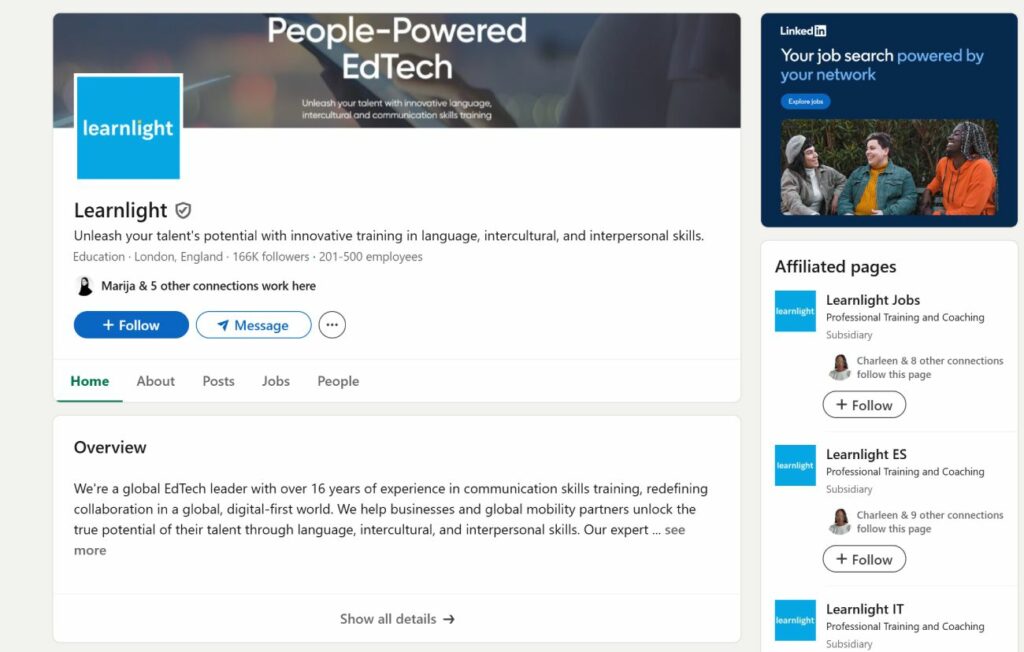
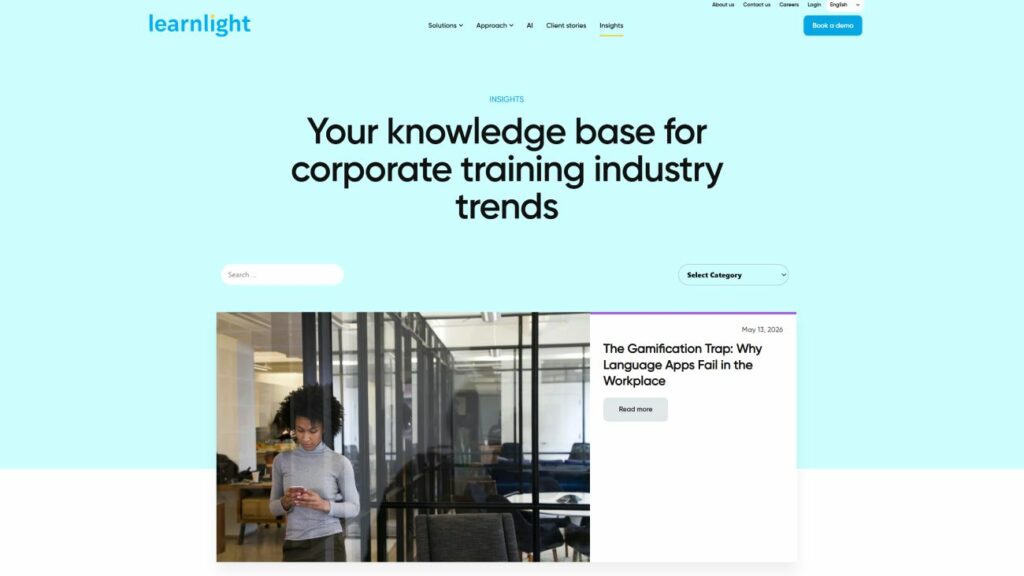
The centerpiece was nurturing Learnlight’s Insights blog. Consistent, high-quality publishing proved vital for building E-E-A-T, serving as a proxy for how enterprise buyers judge domain expertise.
Technical SEO Audit Process
Screaming Frog Crawls
Crawled across the entire website to catch broken links, indexing issues, duplicate content, and structural errors.
Core Web Vitals
Monitoring performance metrics to identify technical bottlenecks affecting search rankings and UX.
Silo Structuring
Organizing content into clear topical clusters that reinforced topical authority and logical site navigation.
Ongoing GA & GSC Monitoring
Tracking organic performance via Google Analytics and Search Console to catch issues or opportunities early.
Fixing the Sales-Marketing Trust Gap: Lead Scoring That Actually Worked
Here’s the part that often gets ignored in paid media case studies but is arguably just as important: none of this matters if Sales doesn’t trust the leads Marketing sends them.
That was exactly the complaint I inherited. Sales was frustrated with lead quality — too many students, too many low-value signups mixed in with genuine enterprise buyers. When that happens, sales reps stop trusting MQLs entirely, and the whole lead handoff process breaks down.
1. Firmographic Criteria
Primarily company size, used to filter for accounts that actually matched Learnlight’s enterprise Ideal Customer Profile (ICP).
2. Behavioral Signals
Specifically tracking actions like viewing pricing pages, which serve as strong indicators of genuine buying intent versus casual browsing.
Middle-of-Funnel: Bridging Cold Traffic to Demo Bookings
Getting someone into the funnel is one thing. Getting a cold, unaware visitor to a booked demo is a completely different challenge — especially for a considered B2B purchase like enterprise language training.
High-Intent Comparison Pages
Comparison pages (Learnlight vs. specific competitors) targeted buyers already evaluating options. This represents some of the highest-intent, lowest-competition content you can build in a category with defined competitors.
Interactive ROI Calculator
An interactive ROI calculator became one of the most strategically important assets in the entire funnel, helping L&D and HR directors calculate the exact financial cost of language barriers within their teams to justify spend to CFOs.
Multi-Touch Attribution: Making Sense of a 6-to-12-Month Sales Cycle
Enterprise B2B sales cycles at Learnlight’s scale routinely run six to twelve months, with multiple stakeholders and touchpoints along the way. In that environment, last-touch attribution is close to useless — it credits whichever channel happened to be present at the final moment, ignoring everything that built the relationship beforehand.
HubSpot Multi-Touch Modeling
To address long sales cycles, I implemented multi-touch attribution within HubSpot, paying particular attention to leads originating from LinkedIn — a channel that frequently plays an early-stage brand-building role rather than a last-click conversion role.
Preventing Undervaluation
Without multi-touch attribution, LinkedIn’s actual contribution to pipeline would have been consistently undervalued, and budget decisions would have been made on incomplete data instead of recognizing full funnel impact.
The Bigger Picture
None of these pieces worked in isolation. The website restructure enabled the landing page strategy, the paid ecosystem’s retargeting layer built trust, and lead scoring ensured Sales acted on incoming pipeline.
Infrastructure & Paid Media
The website restructure enabled the landing page strategy, which in turn made the paid media ecosystem effective.
Trust & Conversion
Retargeting kept visitors in the funnel long enough for SEO to build trust, while MoFu assets and ROI calculators turned research into booked demos.
Scoring & Attribution
Lead scoring ensured Sales acted on pipeline leads, and multi-touch attribution allowed the entire system to be measured and optimized accurately.
Conclusion: From Fragmented Channels to a Synchronized Growth Engine
Scaling an enterprise B2B SaaS and language training ecosystem like Learnlight’s requires looking past surface-level lead metrics to address structural gaps across the entire buyer journey.
The Learnlight Transformation
By restructuring the website foundation, deploying a multi-channel ads ecosystem across Google, Bing, and LinkedIn, nurturing topical authority via SEO, implementing robust lead scoring in HubSpot, and applying multi-touch attribution, Learnlight turned pipeline generation into a predictable, measurable engine.
Explore More Case Studies
Discover how custom digital strategies and multi-channel architectures drive performance across diverse industries and international markets:
Let’s Scale Your Growth
Ready to dominate search results and maximize your return on ad spend? Drop us a message and our team will get back to you shortly.

Send Us a Message
Fill out the form below and we’ll schedule a discovery call.
Frequently Asked Questions: Learnlight B2B Growth Engine
Get clear insights into the strategy, website restructuring, multi-channel ads, lead scoring, and attribution models behind scaling Learnlight’s enterprise pipeline.
1. What was the core challenge when Learnlight brought me in?
Not enough Sales Qualified Leads (SQLs) were coming into HubSpot, driven by a structural gap where ads weren’t coordinated and the website wasn’t built to convert traffic.
2. Why was the website identified as the primary bottleneck?
The existing site lacked infrastructure for dedicated landing pages per campaign or audience, sending all traffic to generic pages that failed to convert visitors.
3. What was the first strategic move before touching the ad accounts?
Restructuring the website itself to enable purpose-built landing pages for every ad campaign going forward, laying the foundation for better relevance scores and conversion rates.
4. Which advertising platforms made up the paid acquisition ecosystem?
The ecosystem was built primarily through Google Ads, complemented by Microsoft (Bing) Ads and LinkedIn Ads for enterprise audience precision.
5. Why was Microsoft Bing included in the media mix?
Many enterprise decision-makers still use Bing on corporate machines where it is the default, capturing high-intent searchers that competitors overlook.
6. What was the role of retargeting across the campaign?
Retargeting acted as the connective tissue across the ecosystem, recapturing visitors and nurturing leads through long B2B enterprise buying cycles instead of losing them after one session.
7. How was LinkedIn structured for B2B enterprise reach?
LinkedIn was organized around four reusable quarterly campaigns plus an adaptable “always-on” campaign unit that could scale as a top-of-funnel engine or retargeting layer.
8. How did the SEO strategy support organic growth?
Using Surfer SEO, we built topical authority around Learnlight’s Insights blog to cultivate E-E-A-T and build the credibility enterprise HR and L&D directors require internally.
9. What technical SEO audits were executed?
Processes included Screaming Frog crawls for structural errors, Core Web Vitals monitoring, silo structuring into topical clusters, and ongoing GA/GSC tracking.
10. How was the Sales-Marketing trust gap solved?
By implementing a HubSpot lead scoring framework combining firmographic criteria (company size for enterprise ICP) and behavioral signals (pricing page views).
11. What Middle-of-Funnel (MoFu) assets were created?
High-intent comparison pages (Learnlight vs. competitors) and an interactive ROI calculator that helped buyers quantify language barrier costs for internal CFO reviews.
12. Why was multi-touch attribution essential for this sales cycle?
With 6-to-12-month sales cycles, last-touch attribution would have ignored early-stage touchpoints like LinkedIn brand-building, falsely undervaluing pipeline contributions.
13. What were the overarching results of the campaign?
The integrated system eliminated structural gaps, restored sales rep trust in incoming SQLs, and delivered steady enterprise demo bookings and compounded organic growth.
14. What is the core takeaway regarding B2B growth?
Growth doesn’t come from tweaking isolated channels, but from treating acquisition, conversion, content, and attribution as one synchronized ecosystem.
15. Where can other case studies by Marc Kugge be found?
Additional digital growth and international market analyses are available across travel blogs, Hypnose Kiel, German casinos, the French market, and My Magic Story.